School Kitchens
hungry to learn
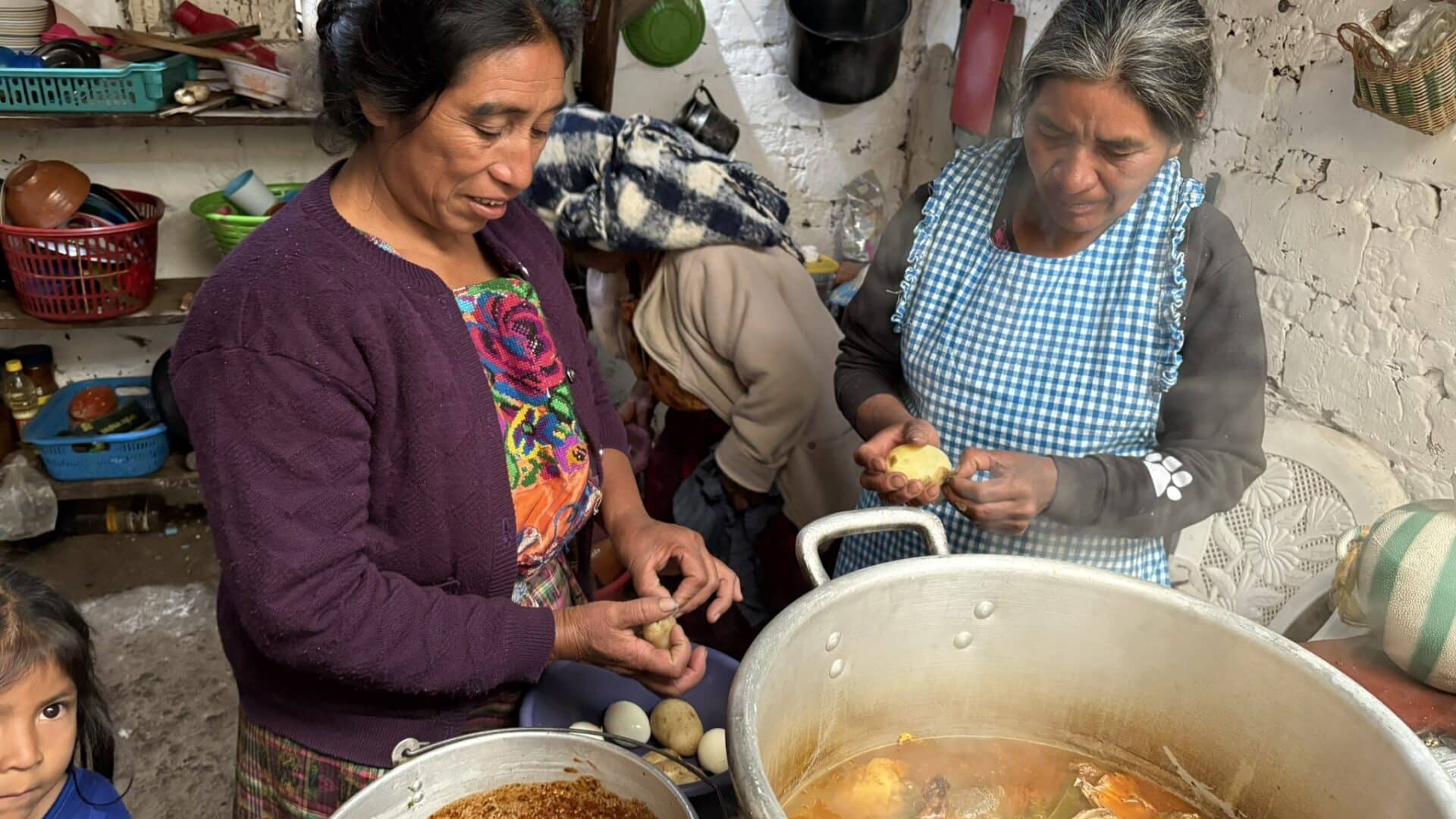
School kitchens will be equipped with efficient stoves, proper storage, utensils, washing stations, and clean water access. Community members, often parents, are trained in food preparation, hygiene, and nutrition. Where possible, kitchens are linked to school gardens, enabling children to learn about agriculture while producing fresh ingredients for meals.
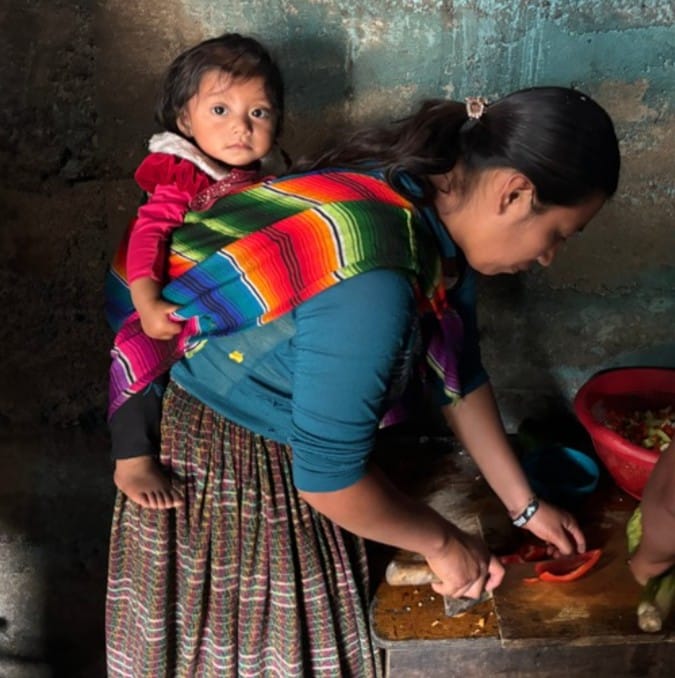
Chronic malnutrition affects nearly half of Guatemalan children under five, and hunger remains a primary barrier to learning in rural Indigenous communities. This project addresses these inequities by constructing or rehabilitating school kitchens to allow schools to prepare daily nutritious meals.
local challenges
Guatemala has expanded national investment in school meals through a tax-based financing mechanism. The program aims to source up to 70% of food from family farmers to strengthen rural development and food system resilience. Yet in 2022, administrative data show only 26% of the country’s 28,000 schools reached this target. Many schools lack adequate infrastructure to prepare and serve food, undermining existing government and NGO school feeding programs. The shut-down of USAID Projects in early 2025 has exacerbated this situation.
infrastructure to improve nutrition
The World Food Programme states that every dollar invested in school meals has a $9 return across numerous sectors, including agriculture, education, health and nutrition, and social protection. Daily meals significantly improve concentration, attendance, and long-term educational outcomes. This project not only strengthens children’s health but also reduces the daily burden on mothers who often struggle to provide sufficient food, especially during the dry season.