teaching language; preserving culture
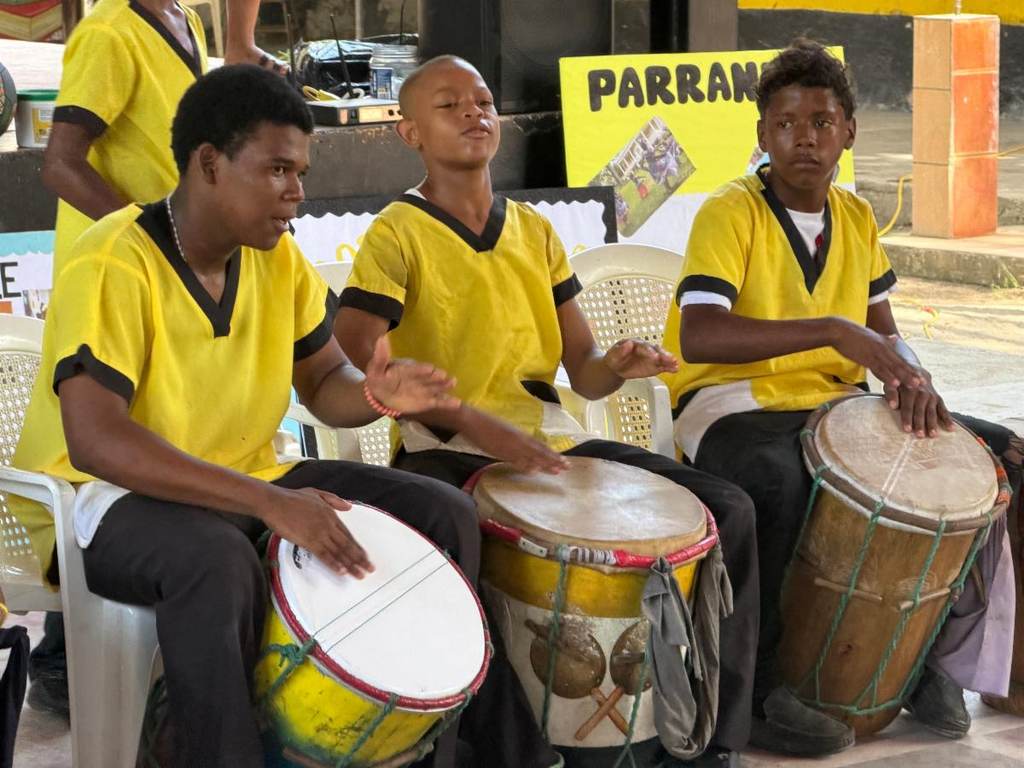
When Alberta teachers travelled to Honduras earlier this month, some of the most memorable moments came from what they were invited to experience. In communities along Honduras’s Caribbean coast, Garifuna culture was shared through traditional dress, dance, stories, and language. For the visiting educators, it was a vibrant reminder of the importance of making classrooms a place where culture is learned and lived and passed from one generation to the next. Which makes the timing of a recent milestone especially fitting.
TRAINING PROGRAM TAKES ROOT
This week, as communities around the world marked the International Day of the World’s Indigenous Peoples, a new teacher training program in Intercultural Bilingual Education and Indigenous-language instruction was officially launched as part of our ongoing education initiatives in Honduras funded in part by Global Affairs Canada.
Developed by our partner Mundo Posible in cooperation with the Honduras Ministry of Education and our local Garifuna project team, the program is designed to strengthen the teaching and preservation of two of the country’s Indigenous languages, Garifuna and Miskito.
The 200-hour, 16-credit course offers a unique certification opportunity for teachers, educators, cultural promoters, and community leaders committed to the cultural and linguistic revitalization of Honduras.
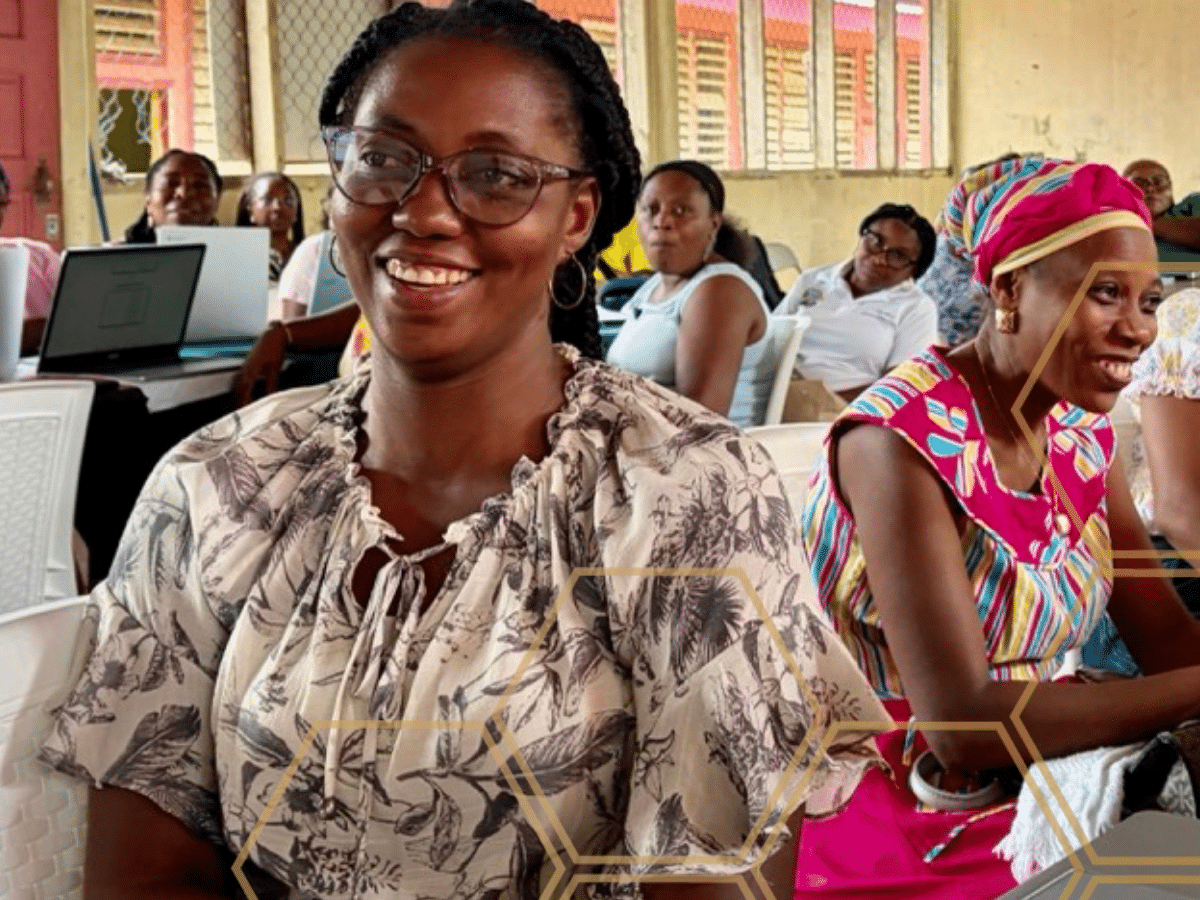
And participation is free! For educators motivated by a desire to keep the languages and cultures of their communities strong for the next generation, cost should not stand in the way. Each module equips participants with dynamic tools, locally-relevant materials, and practical methodologies for teaching and safeguarding the Garifuna and Miskito languages.
Access shouldn’t stand in the way either! The course is available both online and through RACHEL, an offline learning platform that brings digital educational resources to communities where reliable internet access can be difficult. This makes professional development more accessible to educators working in rural and remote communities who might otherwise be excluded from online learning opportunities.
Perhaps most significant is the commitment. With the full support and participation of the Honduras Ministry of Education, the training is being incorporated into the Ministry’s professional development curriculum, creating the potential for it to reach educators well beyond this first cohort.
Education is strongest when teachers have the tools, students have the opportunity, and another generation has the chance to carry language and culture forward.