Amaranth Production
womens economic empowerment
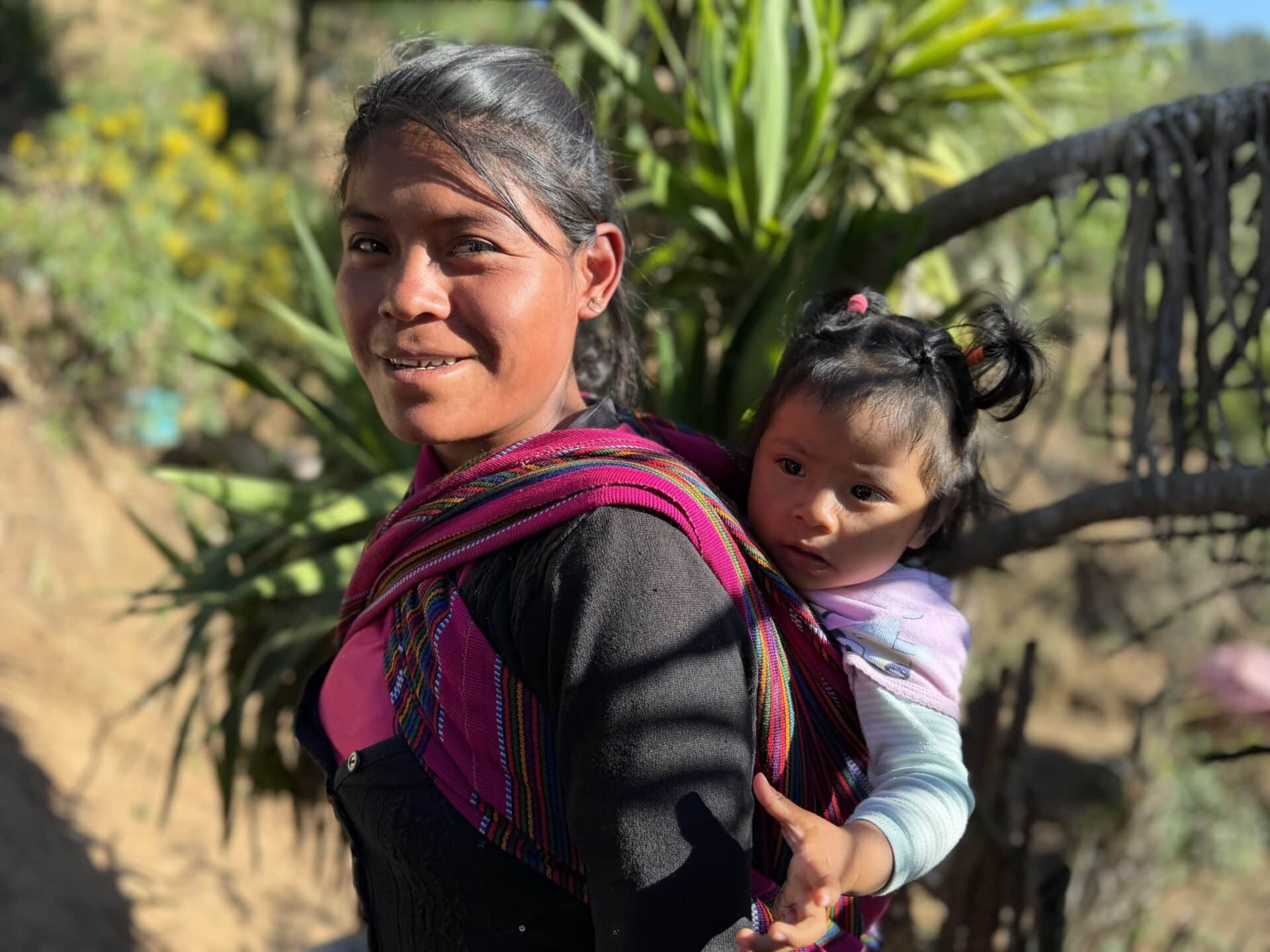
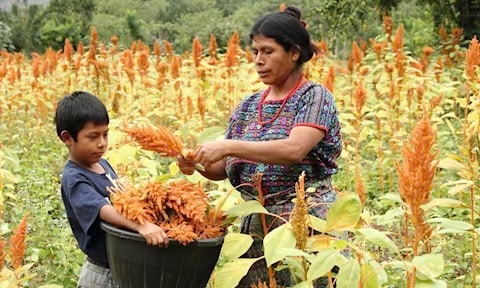
This project expands amaranth production among 150 Indigenous women farmers, improving agro-ecological cultivation practices, and increasing household access to protein-rich foods while creating new income opportunities for women.
Supporting 150 women farmers generates meaningful income for their households, benefiting over 900 family members and strengthens local markets where more than 5,000 community members can access affordable, nutrient-rich amaranth products.
background
Amaranth has become a promising pathway for strengthening food security, nutrition, and women’s economic autonomy in the Indigenous communities of Chicamán. Once unfamiliar in the region, the crop has been embraced by hundreds of families thanks to the leadership of Cooperativa Buena Semilla, whose work has demonstrated amaranth’s high nutritional value, strong local market, and exceptional resilience to drought conditions in the Dry Corridor.
strengthening food systems
As women increase their participation in local supply chains, training in business skills will support the development of sustainable micro-enterprises. Nutrition education and culturally relevant recipes will promote household consumption of amaranth flour, improving child and maternal nutrition and reducing reliance on maize-bean mono-cropping.
Over the long term, this project strengthens climate-resilient food systems, expands women’s economic leadership, and builds a more sustainable local agricultural value chain rooted in Indigenous knowledge and community priorities.
Participants receive seeds, tools, and hands-on training in soil conservation, pest management, and sustainable cultivation methods, supported by demonstration plots that foster peer-to-peer learning. Post-harvest handling is strengthened through improved drying, cleaning, and storage infrastructure, enabling the cooperative to process amaranth into flour and other value-added products more efficiently and safely. By reinforcing processing capacity and establishing consistent quality-control measures, the project helps ensure that surplus harvests can be sold to local markets, school feeding programs, and cooperative buyers at fair, guaranteed prices.